1. A Direct Line to the Divine
Salah serves as a spiritual "ascent" (Mi'raj) for the believer. Unlike other forms of communication, it requires no intermediary. Five times a day, a Muslim pauses the "chaos of life" to stand before Allah, seeking guidance, expressing gratitude, and finding solace. This consistent remembrance helps realign the heart with its ultimate purpose.
2. Spiritual Purification and Forgiveness
The Prophet Muhammad (PBUH) beautifully likened the five daily prayers to a river flowing past one’s door. He asked his companions if any dirt would remain on someone who bathed in that river five times a day. Just as water cleanses the body, Salah wipes away sins and purifies the soul from spiritual "filth".
3. A Shield Against Wrongdoing
The Quran explicitly states, "Indeed, prayer prohibits immorality and wrongdoing" (Surah Al-Ankabut 29:45). By fostering Taqwa (God-consciousness), regular prayer acts as a spiritual shield. It reminds the believer of their accountability, making it easier to resist temptations and stay on the righteous path.
4. Discipline and Inner Peace
The structured routine of Fajr, Dhuhr, Asr, Maghrib, and Isha instills a deep sense of discipline and mindfulness. In a world filled with stress and anxiety, these moments of prostration (Sujood) offer a sanctuary of peace. It is in Sujood that a believer is said to be closest to their Lord.
5. Unity and Equality
When performed in congregation at a mosque, Salah becomes a powerful tool for social unity. Standing shoulder-to-shoulder, there is no distinction between rich or poor, or person of different race. This collective worship strengthens the bonds of brotherhood and sisterhood within the community.
Final Thought: Salah is not a burden; it is an honor and a gift. It is the first deed a person will be questioned about on the Day of Judgment. By prioritizing these few minutes of devotion, a believer gains not just rewards in the hereafter, but a life filled with tranquility and purpose here on Earth.
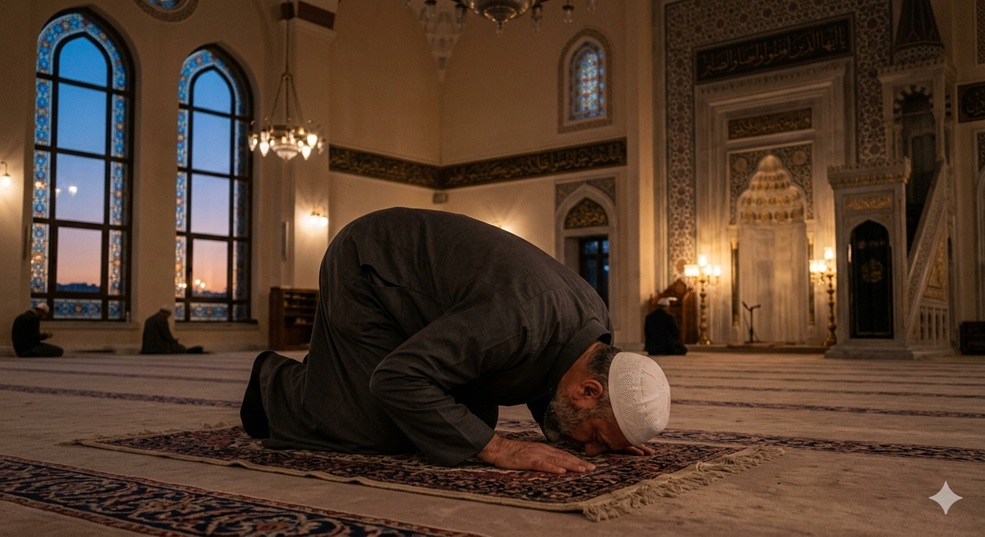
In Islam, prayer—known as Salah—is much more than a daily ritual or a set of physical movements. It is described as the "backbone" of the religion and the primary means of establishing a direct, intimate conversation with the Creator.