Campaign Details
1. Designing for Public Utility
When planning the layout, consider how the building can serve local needs during the week:
Co-working or Study Spaces: High-speed internet and quiet corners can turn a foyer into a workspace for students or remote workers.
Community Kitchen: A certified commercial kitchen allows the church to host soup kitchens, cooking classes, or provide a space for local food entrepreneurs.
Daycare or After-School Hub: Using classrooms for affordable childcare or tutoring addresses a critical need for many families.
2. "Open Door" Construction
Involve the community in the physical building process to create a sense of shared ownership:
Commemorative Bricks or Walls: Allow neighbors to purchase a brick or sign a structural beam, letting them literally "leave their mark" on the sanctuary.
Local Sourcing: Hire local contractors and purchase materials from neighborhood businesses to boost the local economy during the build.
Green Spaces: Design the exterior with benches, a community garden, or a playground that is open to the public, providing a safe "third space" for the neighborhood.
3. Launching with Service
Instead of a standard "members-only" ribbon cutting, frame the opening as a gift to the town:
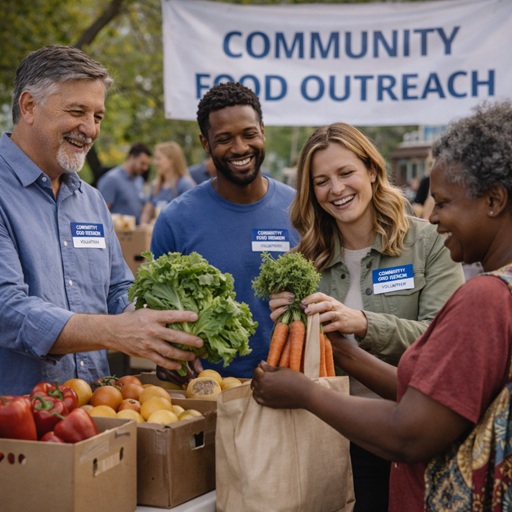
Community Open House: Host a "block party" style grand opening with free food, music, and tours, emphasizing that the doors are open to everyone.
Partnership Programs: Invite local nonprofits, 12-step programs, or scout troops to use the new meeting rooms at little to no cost.
Voucher or Resource Center: Dedicate a small office space for a "clothes closet," food pantry, or a place where people can get help navigating local social services.
4. The Spiritual Impact
For a small church, "giving back" proves that the building isn't a monument to the congregation, but a tool for service. This outward focus often attracts new members who are looking for a faith community that is tangibly active in doing good.