Campaign Details
1. Vision and Planning
The first step is defining a clear vision that reflects your church's ministry objectives.
Establish a Building Committee: Form a diverse team with skills in project management, fundraising, and construction to oversee the process.
Define Needs vs. Wants: Small churches must prioritize essential spaces. Consider if a new building is absolutely necessary or if existing space can be better utilized first.
Site Selection: If you don't already have land, consider factors like local zoning, utility accessibility, and future growth potential.
2. Design for Small Congregations
Efficiency is critical for small church building plans to ensure every square foot serves a purpose.
Multi-Purpose Spaces: Use a single sanctuary that can be adapted for fellowship, classes, or community events.
Flexible Seating: Use movable chairs instead of fixed pews to allow the room to be rearranged easily.
Modular Walls: Install movable partitions to create smaller meeting rooms when needed.
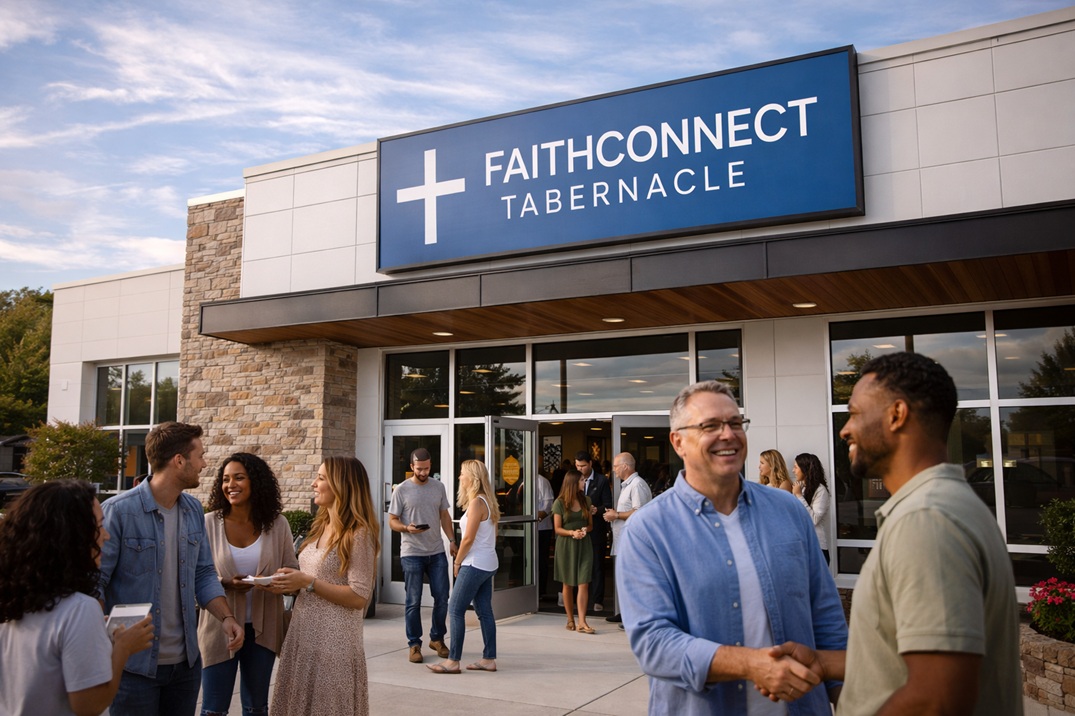
Welcoming Atmosphere: Aim for approachable, visible, and transparent designs that don't feel dominating.
3. Financial Strategy and Fundraising
Most small churches fund their builds through a combination of member giving and focused campaigns.
Capital Campaigns: This is often the most effective method, where members pledge gifts over a 1–3 year period.
Crowdfunding and Local Events: Small churches can also benefit from community auctions, bake sales, or online crowdfunding to reach supporters beyond the immediate congregation.
Realistic Budgeting: Include a 10–15% contingency fund for unexpected costs. A good rule of thumb is that monthly loan payments should not exceed one-third of regular tithes.
4. The Construction Process
To avoid overwhelming the church's resources, consider a phased approach.
Phase 1: Essential Core: Build the main sanctuary and basic facilities (restrooms, small office).
Phase 2: Expansion: Add dedicated children's areas or a fellowship hall once more funds are available.
Professional Guidance: Hiring a design-build firm or a dedicated church construction manager can help streamline the process and prevent costly errors by having one entity manage both design and building.